Your cart summary



GALSKIN BARRIER+ SERUM
Next-Gen Hydration for Melanin-Rich Skin
A biomimetic hydration system inspired by melanin-rich skin itself
Developed in Korea following a biomimetic approach, GALSKIN BARRIER+ SERUM was designed by reverse-engineering the unique characteristics of melanin-rich skin.
Instead of formulating for generic skin, we built the formula around how this skin type retains and manages moisture.
The objective was not simply to add hydration, but to support the conditions that help melanin-rich skin maintain moisture effectively over time: hydrate + moisturise + lock it in.
GALSKIN* = “gal” (갈색, brown in Korean) + “skin” (피부): our word for melanin-rich skin, and the reason K+BROWN exists.
Dermatologically tested on phototypes 3 to 6.
✓ Fragrance-free
✓ Silicone-free
✓ Muslim-friendly
✓ Cruelty-free
✓ Vegan
30ml / 1.0 fl (oz)
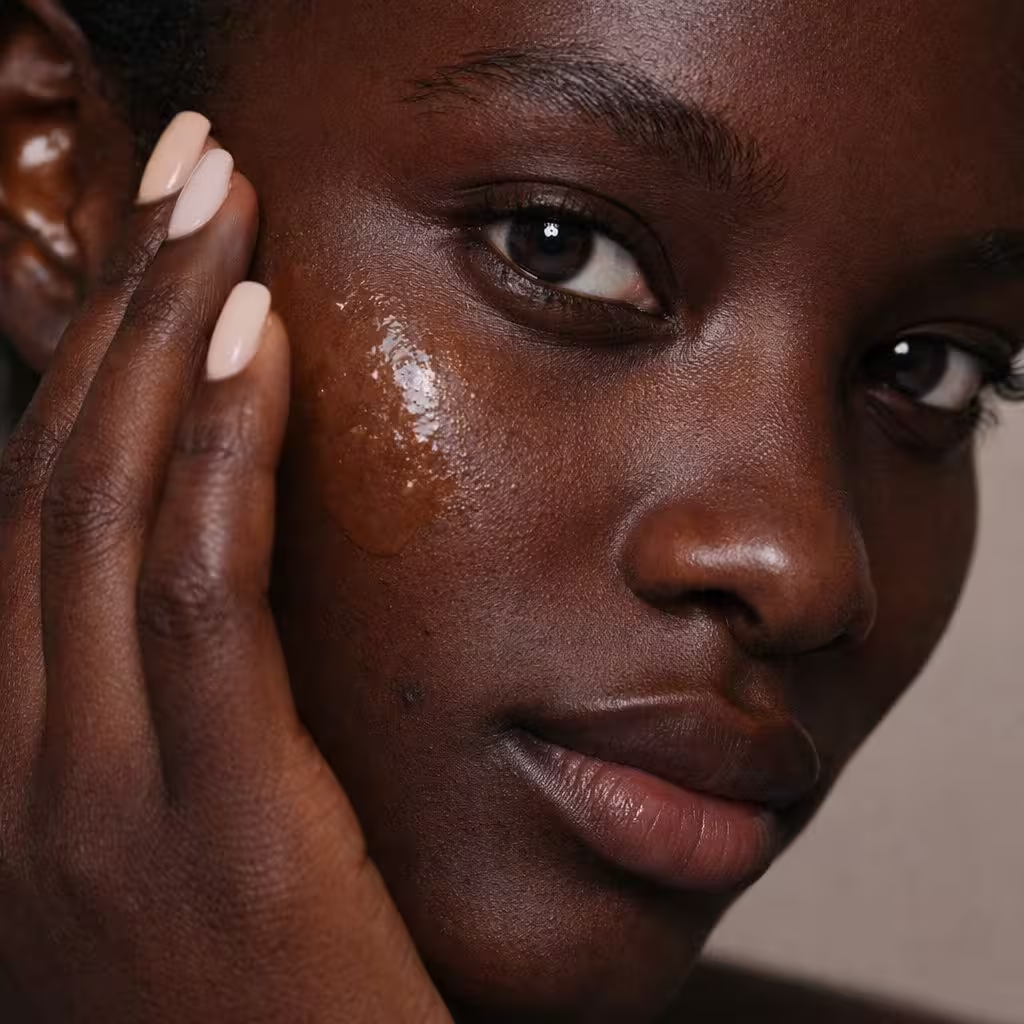
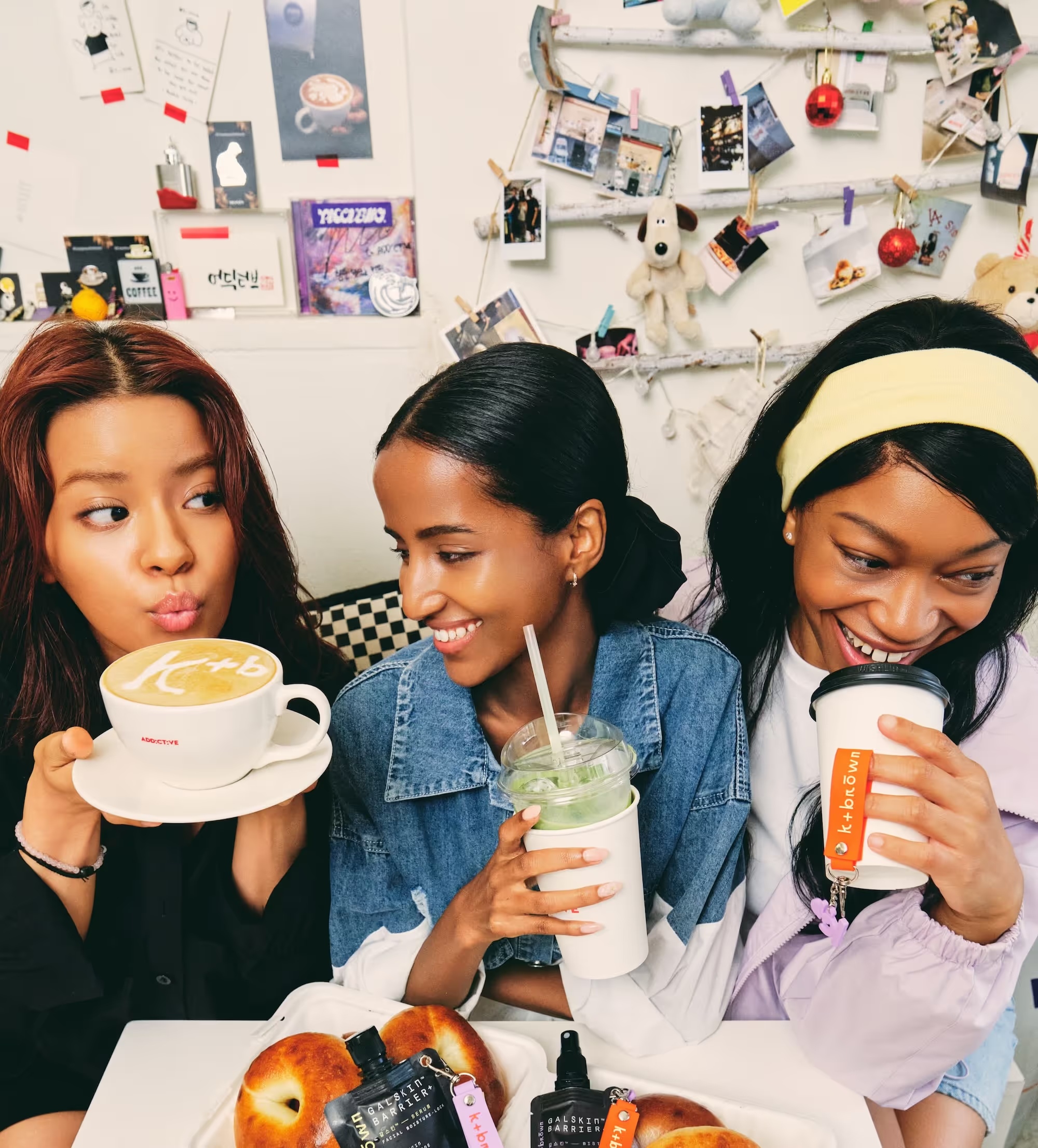
IT’S NOT DRY OR OILY. IT’S DEHYDRATED.
Why melanin-rich skin loses moisture differently.


THE POWER TRIO.
3-layer hydration complex.
Humectant Complex to hydrate
A blend of humectants (B5 · B3 · Betaine · Trehalose) that helps attract, retain, and maintain moisture in the skin for long-lasting hydration.
Ceramides to moisturize
Naturally occurring skin lipids that help support the moisture barrier and limit water loss.
Mycomucin™ to lock it in
A patented, mushroom-derived extract with film-forming and water-retention properties that helps lock hydration into the skin.
What’s NOT inside:
❌ No fragrance
❌ No essential oils
❌ No denatured alcohol
❌ No silicones
❌ No phenoxyethanol
❌ No PEGs
Full Ingredient list:
Water (Aqua), Butylene Glycol , Betaine, Niacinamide, Trehalose, 1,2-Hexanediol, Panthenol, Glycerin, Candida Bombicola/Glucose/Methyl Rapeseedate Ferment, Ceramide NP, Macadamia Ternifolia Seed Oil, Polyglyceryl-10 Stearate , Carbomer, Hydroxyethylcellulose, Pholiota Microspora Polysaccharides, Potassium Hydroxide, Cetearyl Alcohol, Ethylhexylglycerin, Adenosine, Sodium Stearoyl Glutamate (amino-acid derived).

GALSKIN* IS THE NEW GLASS SKIN
Skin so hydrated, it glows at night.
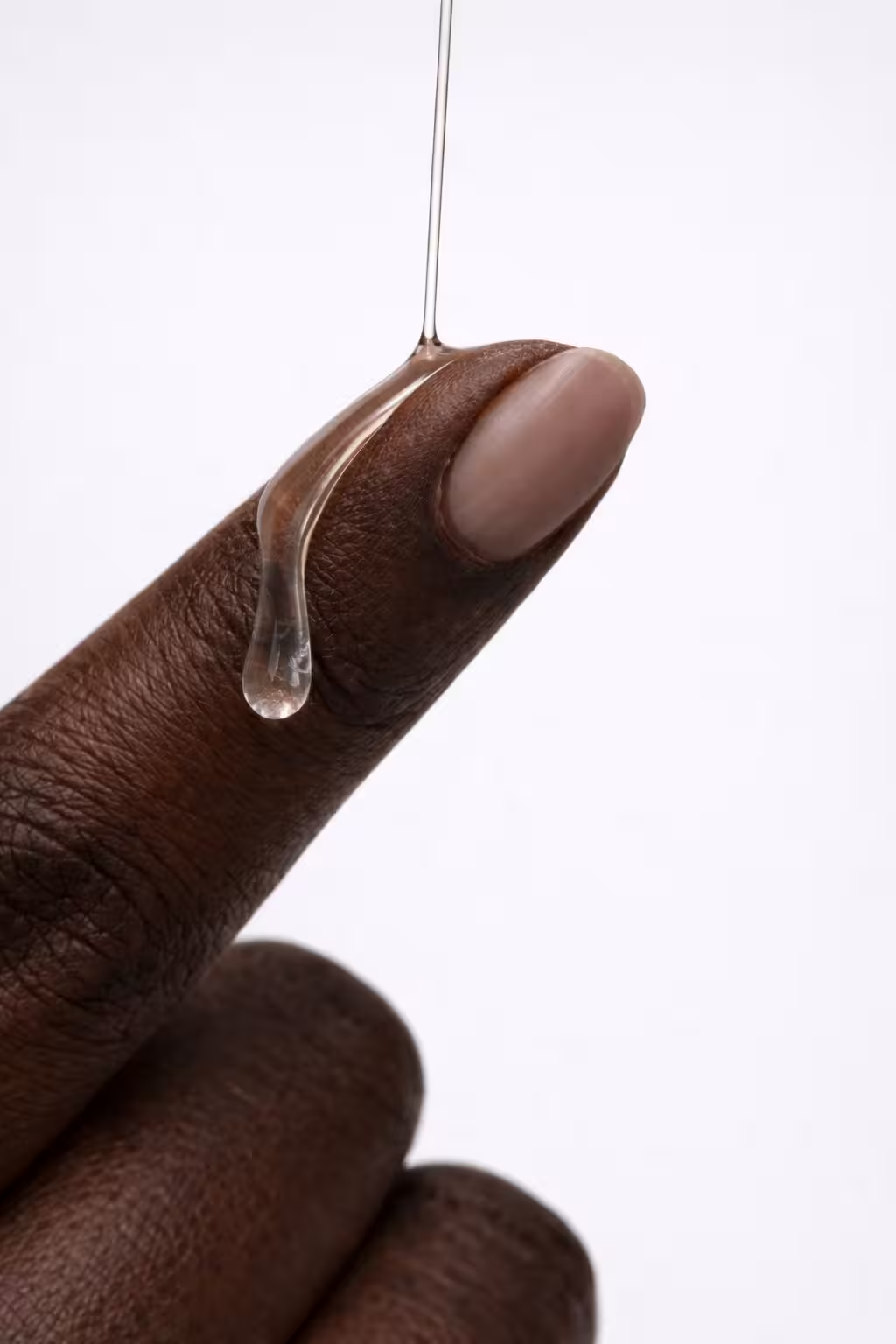
TEXTURE. ON POINT.
Get your ASMR dose.
A lightweight yet cushiony, subtly brown serum that melts into the skin.
Non-greasy and fragrance-free.
Clinically tested participants* reported an appealing texture, fast absorption, and no itching, irritation, or burning sensation.
* Based on consumer feedback collected during a clinical study conducted on 33 volunteers with Fitzpatrick phototypes III–VI.
.avif)


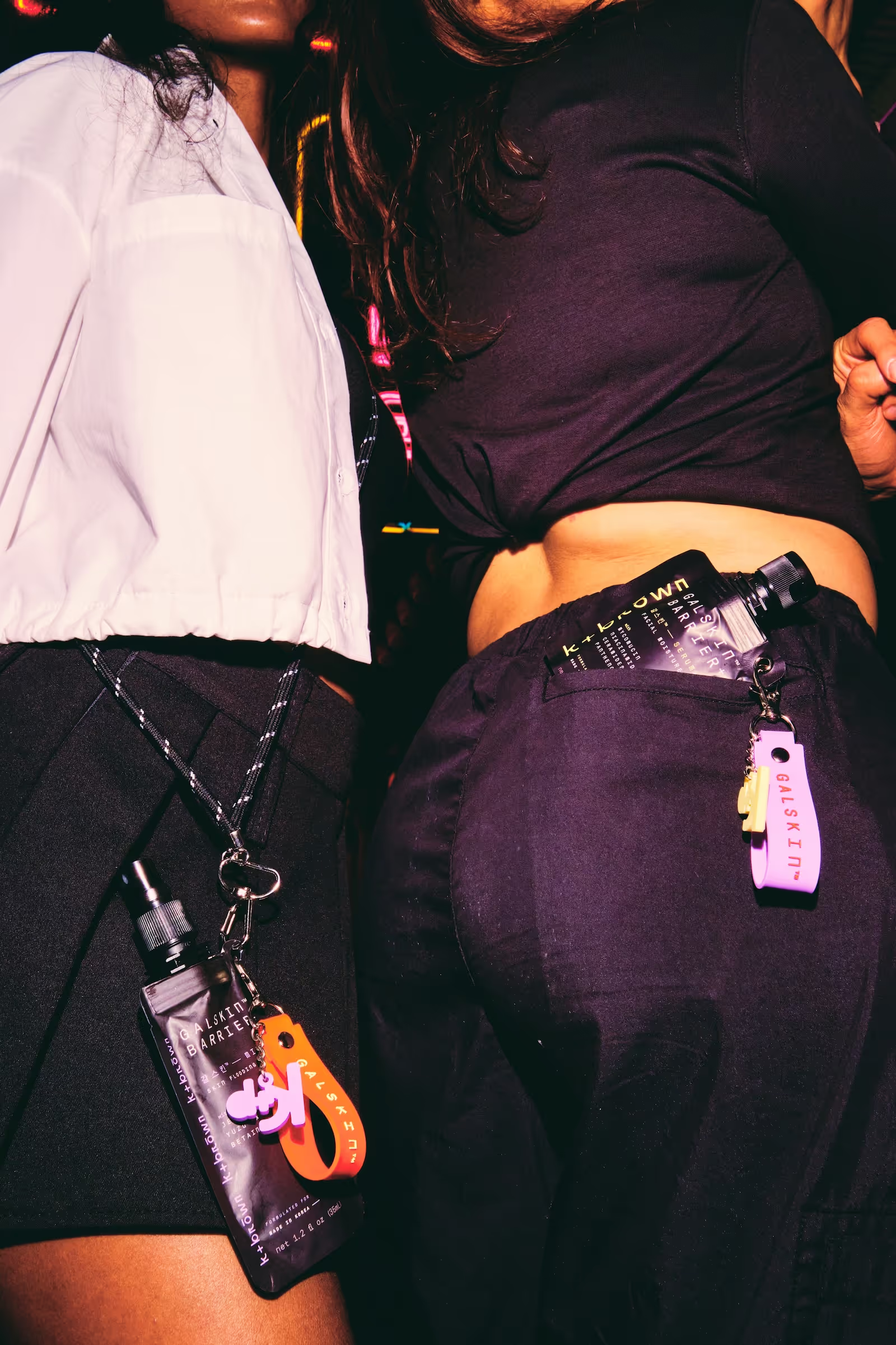
GALSKIN™ BARRIER+ Skin-Flooding Toning Mist
Meet the Galskin Flood&Tone Mist
A skin flooding mist formulated at pH 4.5, aligned with melanated skin’s naturally more acidic balance, delivering +84% instant hydration.Use it anytime for a hydration boost, or as your first step to flood the skin with humectants and minerals, enhancing serum absorption to lock it all in.
Flood 💧. Lock 🔒. Glow ✨